
PSL vs LVL: Key Differences, Applications & How to Choose the Right Engineered Wood
2026-09-18 17:38:02


Choosing an engineered wood product is not simply a question of which material is “stronger.” For structural buyers, engineers and builders, the better question is: which product has the verified properties, dimensions, availability and compliance required for the project?
Parallel Strand Lumber (PSL) and Laminated Veneer Lumber (LVL) are both structural composite lumber products designed to reduce the variability found in conventional solid timber. They are manufactured differently, however, and their verified design properties and common applications are not interchangeable.
This guide explains the practical differences between PSL and LVL, the factors buyers should compare before specifying either material, and how to source structural LVL with greater confidence.


What Are PSL and LVL?
PSL (Parallel Strand Lumber) is manufactured from long, narrow wood strands aligned primarily in the longitudinal direction and bonded under controlled conditions. It is commonly produced as large structural sections for beams, headers and columns.
LVL (Laminated Veneer Lumber) is manufactured from multiple wood veneers bonded together, with the grain of most veneers oriented parallel to the member length. Controlled veneer selection, lay-up, adhesive application and pressing help create a product with consistent dimensions and predictable engineering properties.
Both materials can provide high structural performance, but buyers should compare manufacturer-specific technical data rather than assume that all PSL or all LVL products share the same design values.
PSL vs LVL: The Key Differences
|
Factor |
PSL |
LVL |
|
Raw material |
Long wood strands |
Thin wood veneers |
|
Structure |
Parallel strand arrangement |
Layered veneer lay-up |
|
Typical form |
Often large structural sections |
Wide range of beam, header and component sizes |
|
Common applications |
Beams, headers, columns and heavy structural members |
Beams, headers, rafters, joist-related components, columns and prefabricated systems |
|
Dimensional consistency |
Engineered and controlled |
Engineered and controlled |
|
Design properties |
Product/manufacturer specific |
Product/manufacturer specific |
|
Sourcing decision |
Verify section availability, design values and compliance |
Verify grade, dimensions, design values, compliance and supply capability |
 The important point is that manufacturing method alone does not determine which product is better for a project. The final decision depends on verified structural properties, section size, span, loads, connections, exposure conditions, local codes and commercial availability.
Which Is Stronger: PSL or LVL?
There is no technically sound universal answer to “Is PSL stronger than LVL?” without comparing specific products.
Strength and stiffness vary by manufacturer, product series, species, lay-up and certification. Engineers may need to review properties such as modulus of elasticity, bending strength, shear strength, compression capacity, bearing performance and connection values.
For buyers, this is an important sourcing lesson: do not select structural composite lumber from a generic material name alone. Request the technical data and compliance documents for the exact product being quoted.
When Is LVL a Practical Choice?
LVL is widely used where projects require repeatable structural performance, dimensional consistency and a broad range of manufacturable sizes. Depending on verified product properties and engineering design, typical applications may include:
Structural beams and headers for residential and commercial framing
Roof and floor framing components where stiffness and dimensional accuracy matter
Columns, studs and other load-bearing members where the product is designed and certified for the application
Prefabricated and modular building systems requiring repeatable dimensions
Engineered wood systems, including LVL components used in selected I-joist configurations
LVL can also be attractive to distributors and component manufacturers because specifications can be developed around target dimensions, market requirements and repeatable production needs. Final suitability must always be confirmed against the project's engineering design and applicable standards.
How to Choose Between PSL and LVL for a Project
Before comparing price, define the structural and commercial requirements. A useful specification checklist includes:
Required span, loads and deflection limits
Member thickness, depth and length
Required stiffness and other verified design properties
Connection and bearing conditions
Indoor, protected or other service environment
Destination market and applicable standards/certification
Required quantity, packaging and delivery schedule
Need for repeatable supply or customized dimensions
If a project has already been engineered around PSL, switching to LVL should not be treated as a simple one-for-one substitution. The alternative member must be checked by the responsible engineer using the verified properties and dimensions of the proposed LVL product.
What B2B Buyers Should Check When Sourcing Structural LVL
1. Verified Technical Data
Ask for product-specific structural data. A supplier should be able to identify the relevant grade, properties and documentation for the target market rather than rely on broad marketing claims.
2. Manufacturing Control
Veneer grading, moisture control, adhesive preparation, lay-up, pressing and conditioning all influence LVL consistency. Stable process control is especially important for repeat orders.
3. Quality Inspection and Traceability
Understand how raw materials, production batches and finished products are checked and recorded. For structural projects, documentation and traceability can be as important as appearance.
4. Market Compliance
Requirements differ by country and application. Confirm the applicable product standard, certification and supporting documentation before placing an order.
5. Supply Reliability
For distributors, builders and prefabrication manufacturers, evaluate production capacity, dimensional capability, packaging, lead time and long-term supply stability.
How Fuqing Supports Structural LVL Buyers
Founded in 1990, Jiangsu Fuqing Wood Co., Ltd. integrates wood processing, manufacturing and international trade. Fuqing supplies engineered wood products including structural LVL, non-structural LVL, SLVL, I-joists, structural plywood and LVL scaffold planks for international markets.
For structural LVL production, Fuqing focuses on the manufacturing controls that directly affect repeatability: veneer selection and grading, moisture management, adhesive control, lay-up, hot pressing, conditioning and finished-product inspection.
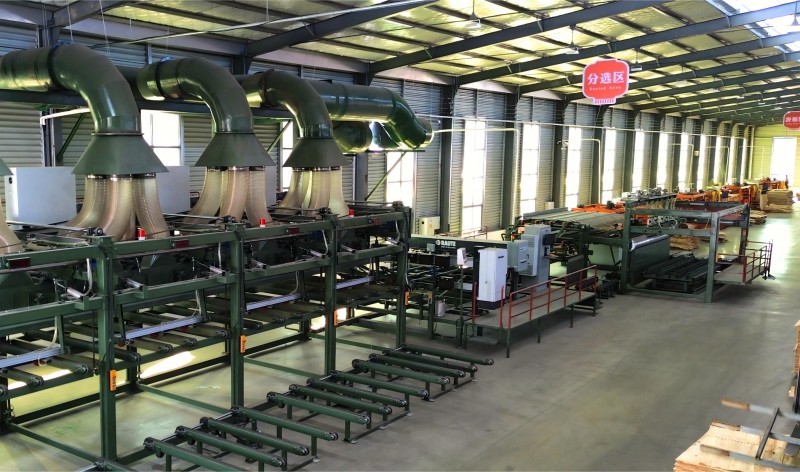

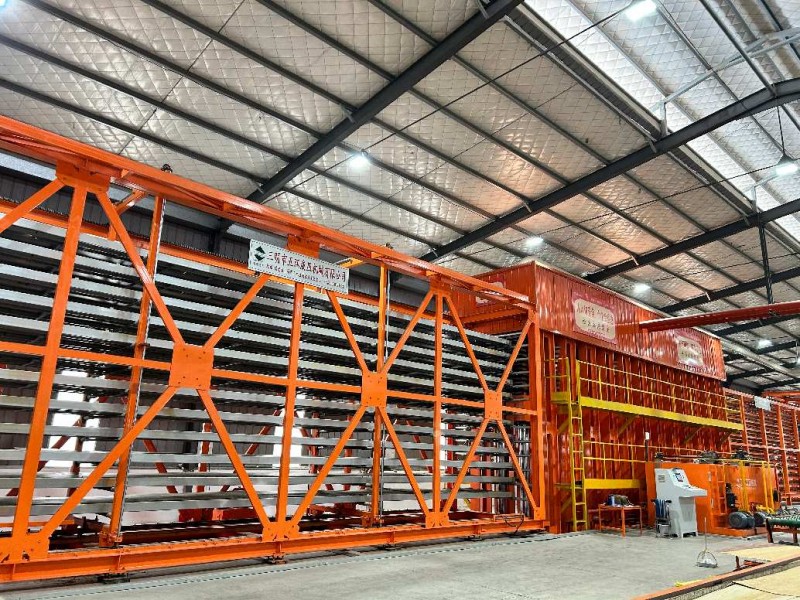
Fuqing operates a 300,000 m² manufacturing base with annual overall output of approximately 350,000 m³ and annual LVL capacity of approximately 300,000 m³. More than 30 veneer drying units support moisture control, while standardized production and routine inspection help maintain batch consistency.
Fuqing also maintains production capabilities in China and Vietnam. Product origin, specification and compliance should be matched to the individual order and destination-market requirements; Fuqing's Vietnam operation is positioned for non-structural LVL, while structural products are supplied according to the relevant verified product capability.
For international buyers, the objective is not to present LVL as a universal replacement for PSL. It is to provide a clearly specified engineered wood product that fits the project's technical, commercial and supply requirements.
Send Fuqing Your Project Requirements
If you are comparing PSL and LVL for a construction, distribution or prefabrication project, send the following information to Fuqing for specification review:
Required product/grade or technical properties
Thickness × depth × length
Application and drawings, if available
Quantity
Destination market
Required standard or certification
Target delivery schedule
Fuqing's team can review the requested specification, confirm available LVL options and prepare a quotation based on the project requirements.
REQUEST A QUOTE | VIEW STRUCTURAL LVL | CONTACT FUQING
Frequently Asked Questions
What does PSL stand for?
PSL stands for Parallel Strand Lumber, a structural composite lumber product manufactured from aligned wood strands bonded together.
What does LVL stand for?
LVL stands for Laminated Veneer Lumber, an engineered wood product manufactured from bonded veneer layers with the grain primarily oriented along the member length.
Is PSL stronger than LVL?
Not as a universal rule. Structural properties vary by product and manufacturer. Compare the verified design values for the exact PSL and LVL products under consideration.
Can LVL replace PSL?
Potentially, but not automatically. Any substitution should be checked against required loads, stiffness, dimensions, connections and applicable codes by the responsible design professional.
What is structural LVL commonly used for?
Depending on its verified properties and design, LVL can be used for beams, headers, roof and floor framing components, columns and prefabricated building systems.
What information should I send when requesting an LVL quote?
Provide the required grade or properties, dimensions, application, quantity, destination market, standards/certification requirements and drawings where available.
Email:fuqinglvl@fuqingmuye.com
Web: http://www.fuqingmuye.com